
South Africa is preparing for a major shift in how motorists prove their driving credentials, as the country moves away from traditional physical cards toward a secure digital alternative. From 1 February 2026, the smart digital driving licence rollout will begin nationwide, marking a significant step in modernising road administration. This change aims to reduce fraud, simplify renewals, and make licence verification faster for both drivers and authorities. While physical cards will not disappear overnight, the new system signals a future where mobile-based identification becomes part of everyday driving.
Smart digital driving licence rollout explained
The smart digital driving licence rollout is designed to complement existing licence cards rather than immediately replace them. Motorists will be able to access their licence securely through an official digital platform, using biometric and encrypted verification. Authorities say this approach improves licence authenticity, limits card duplication risks, and supports real-time validation during traffic checks. For drivers, it means less stress about lost or damaged cards and faster access to their details. The system is also expected to integrate with other transport databases, creating safer road systems while reducing administrative delays across provinces.
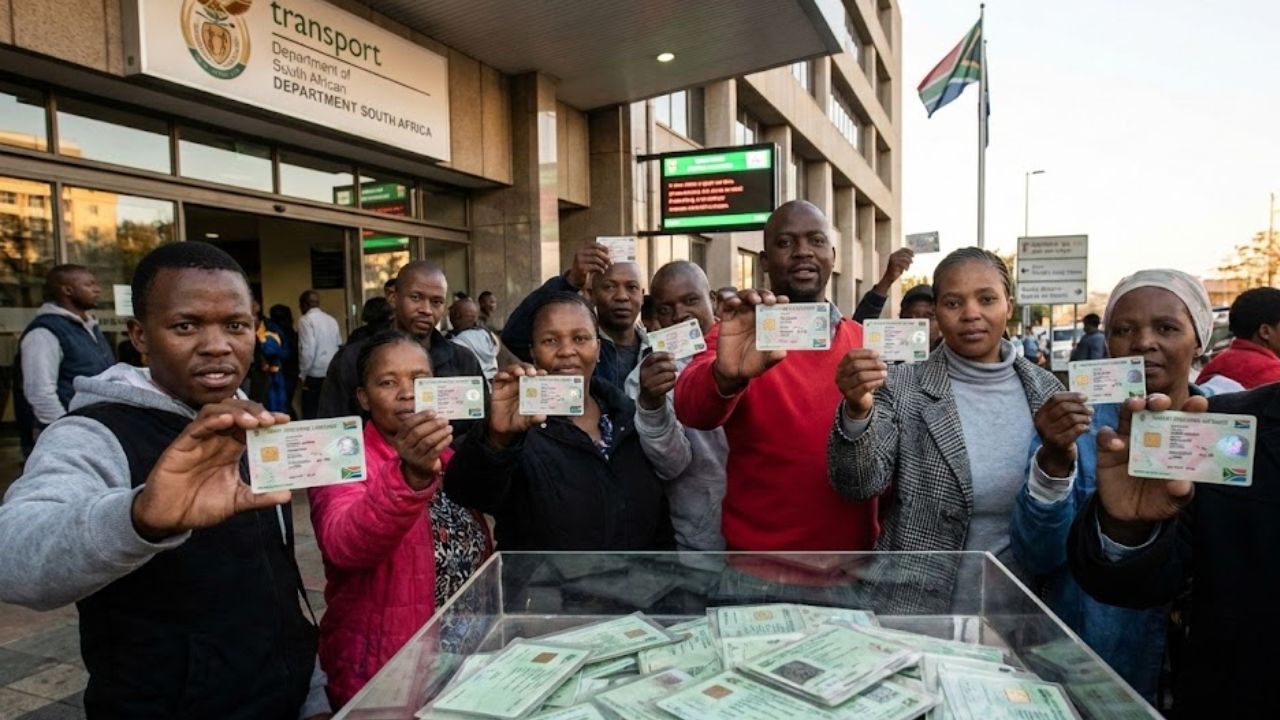
Why South Africa is moving to digital licences
South Africa’s move toward digital licences is driven by long-standing issues with card backlogs, outdated equipment, and fraud concerns. By introducing a digital option, the government hopes to strengthen identity verification methods and reduce reliance on physical infrastructure. The change also supports modern governance goals, aligning transport services with broader digital transformation plans. For law enforcement, instant access to verified records improves on-road enforcement efficiency. For citizens, it promises simpler renewal processes and fewer trips to licensing centres, saving both time and money.
 NSFAS Loan Forgiveness Starts 4 February: 67,000 Students Get Debt Relief and Next Steps to Follow
What drivers should expect from February 2026
From February 2026, drivers can expect a phased introduction rather than an overnight switch. Participation will likely be optional at first, allowing motorists to keep using their physical cards while adopting the digital version. Officials have highlighted secure mobile access, offline verification options, and data privacy safeguards as key features. Public awareness campaigns will guide users through registration and usage, ensuring smooth nationwide adoption. Over time, feedback from drivers and traffic officers will shape how the system expands and improves.
What this change means in the long term
In the long run, digital driving licences could reshape how South Africans interact with transport services. Beyond convenience, the system supports future smart mobility initiatives and better data coordination across departments. While challenges such as device access and digital literacy remain, gradual implementation allows room for adjustment. If managed well, this shift could reduce fraud, cut costs, and build public trust. Ultimately, the success of the rollout will depend on reliability, transparency, and how confidently drivers embrace digital-first licensing as part of daily life.
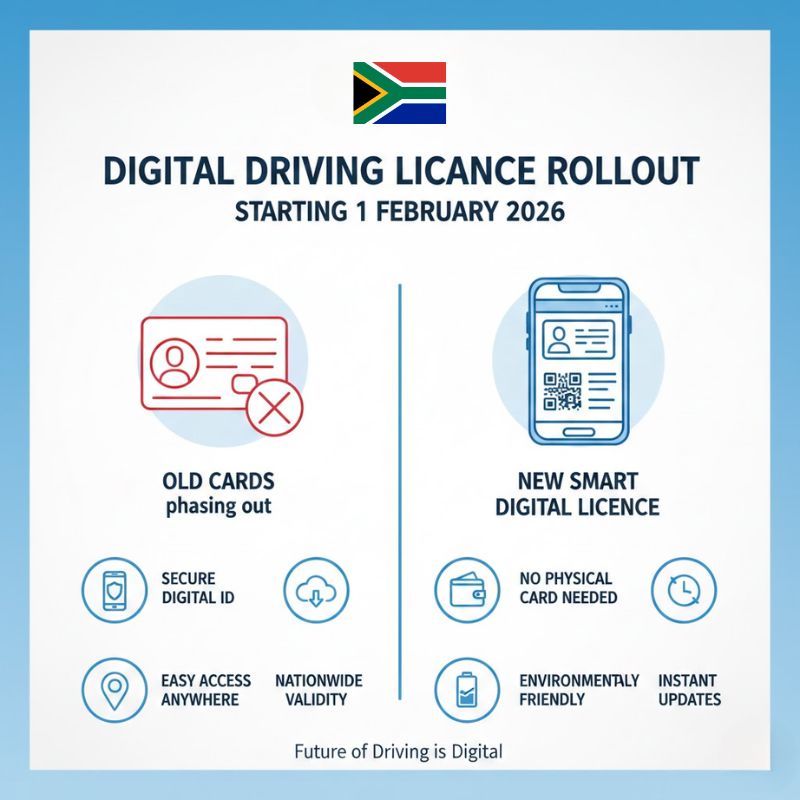
| Aspect | Physical Licence Card | Digital Licence |
|---|---|---|
| Format | Plastic card | Mobile-based credential |
| Replacement if lost | Reapplication required | Instant re-access |
| Verification | Visual inspection | Encrypted digital check |
| Fraud risk | Higher | Lower |
| Availability from 2026 | Continues | Phased rollout |
Frequently Asked Questions (FAQs)
1. Is the digital driving licence mandatory from February 2026?
No, it is expected to launch as an optional system alongside physical cards.

2. Will physical driving licence cards still be valid?
Yes, existing physical cards will remain valid during the transition period.
3. How will traffic officers verify a digital licence?
Verification will be done through secure scanning or official digital checks.
4. What if I do not own a smartphone?
Drivers without smartphones can continue using their physical licence cards.