
The Unemployment Insurance Fund (UIF) in South Africa is undergoing significant changes, with new contribution rates being introduced starting in February 2026. These updates aim to reshape worker paychecks and ensure the sustainability of the UIF system. By adjusting contribution rates, the government aims to better support South African workers during periods of unemployment and contribute to a more robust safety net. This article explores the upcoming changes and their implications for employees and employers across the country.

UIF Contribution Rate Changes in 2026
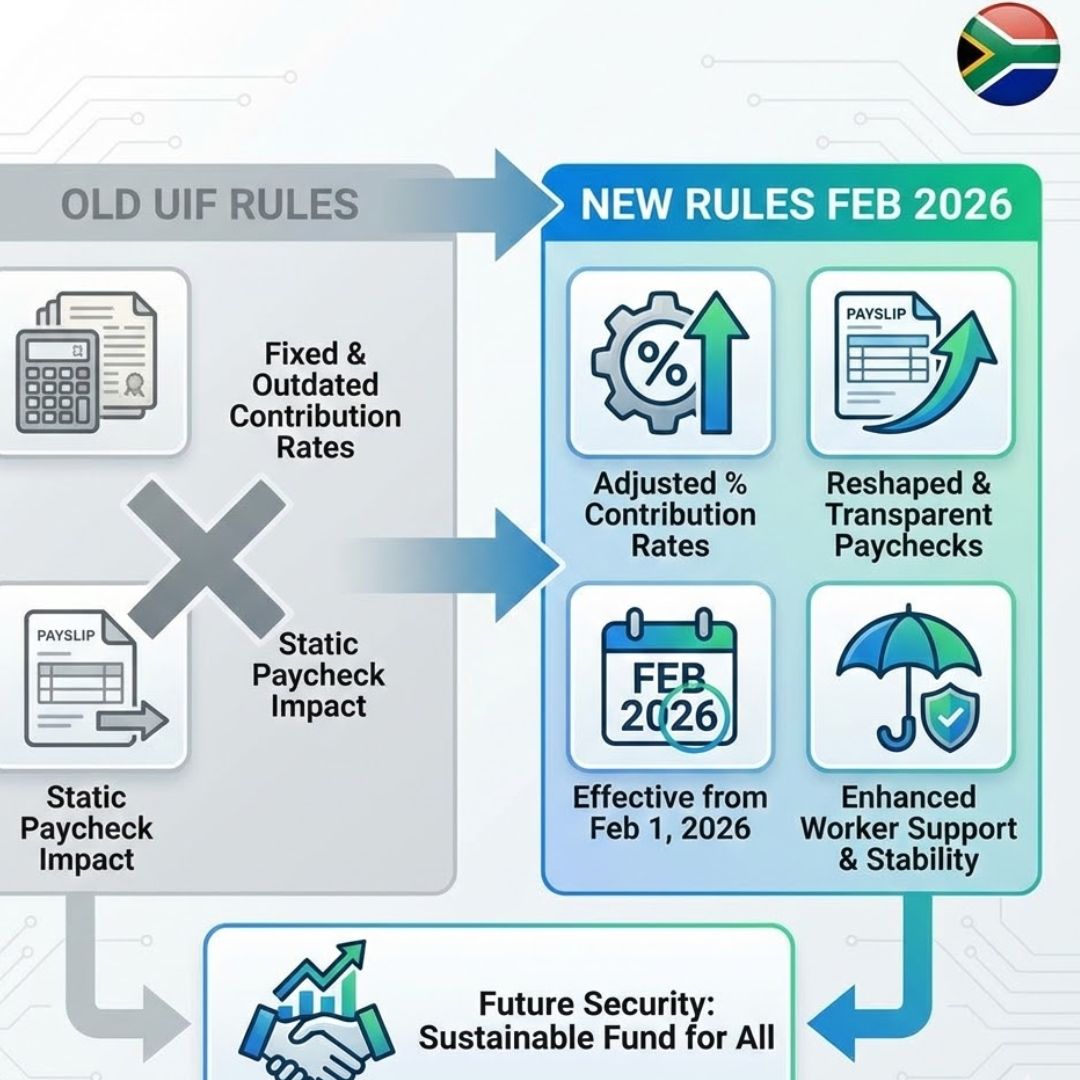
Starting in February 2026, the contribution rate adjustments for the UIF will bring notable changes to South African workers’ paychecks. These adjustments aim to ensure better unemployment protection while addressing the fund’s sustainability. Employees will see a modest increase in their monthly deductions, while employers will also face an uplift in their contribution obligations. However, these changes are expected to strengthen the financial stability of the UIF in the long run, ensuring that it remains a reliable resource for unemployed South Africans.

Impact of UIF Contribution Updates on Worker Paychecks
The updates to UIF contribution rates will affect the monthly take-home pay of South African workers. While the increase in contributions may reduce monthly earnings slightly, the change is intended to enhance the security of unemployment benefits for those who lose their jobs. For many workers, this change may be felt more keenly at the start, but in the event of job loss, the updated contribution will ensure they have a stronger cushion. The reform is designed to help workers navigate periods of unemployment with greater support.
 NSFAS Loan Forgiveness Starts 4 February: 67,000 Students Get Debt Relief and Next Steps to Follow
Employer Responsibilities Under New UIF Contribution Rules
Employers in South Africa will also face increased responsibilities with the revised UIF contribution rates. Businesses will need to adjust their payroll systems to comply with the new rates, ensuring that both employee and employer contributions are made accurately and on time. Employers will be expected to educate employees about the changes, highlighting how the adjustments will impact their pay. Additionally, these reforms aim to strengthen the overall workforce safety net and contribute to the long-term sustainability of the UIF system.
Summary of UIF Contribution Updates
The UIF contribution rate updates set to take effect in February 2026 will significantly alter the financial landscape for both employees and employers in South Africa. While the initial impact may be felt through slightly reduced worker paychecks, the changes are essential to strengthening the country’s unemployment safety net. These reforms are expected to foster long-term financial stability for the UIF, ensuring that it can continue to provide much-needed assistance to South African workers during times of unemployment.
| Contribution Type | Old Rate | New Rate (2026) | Impact |
|---|---|---|---|
| Employee Contribution | 1% of monthly salary | 1.5% of monthly salary | Slightly reduced take-home pay |
| Employer Contribution | 1% of monthly salary | 1.5% of monthly salary | Increased employer expenses |
| Unemployment Benefit | Variable | Increased support for beneficiaries | Stronger safety net for workers |
Frequently Asked Questions (FAQs)
1. What are the new UIF contribution rates?
The new UIF contribution rates are 1.5% for both employees and employers, effective from February 2026.

2. How will these changes affect my paycheck?
Employees will experience a slight reduction in their monthly take-home pay due to the higher contribution rate.
3. Will employers face additional costs?
Yes, employers will be responsible for paying an increased contribution of 1.5% of each employee’s salary.
4. How will these changes benefit workers?
The higher contributions will result in enhanced unemployment benefits, providing better support to workers during job loss.