
From 5 February 2026, South Africa’s electricity users will see a major shift in how prepaid power is billed, as long-standing loopholes are finally closed. For years, prepaid meter users enjoyed flexibility that postpaid customers did not, but new billing charges aim to create a fairer and more sustainable system. While the changes are designed to stabilise the grid and improve revenue collection, many households are anxious about how the updates will affect monthly budgets. Understanding what’s changing, why it matters, and how to prepare can help consumers avoid unpleasant surprises.

Prepaid Meter Billing Changes Explained
The new rules target gaps that allowed some prepaid users to delay or minimise payments without immediate consequences. From February, additional fixed charges will apply alongside usage costs, reshaping how electricity is priced. Authorities say this ensures fair cost recovery and supports grid maintenance funding. Consumers will also notice clearer billing structures, improving usage transparency across households. While critics worry about affordability, regulators argue that system sustainability goals require everyone to contribute equally, regardless of meter type.
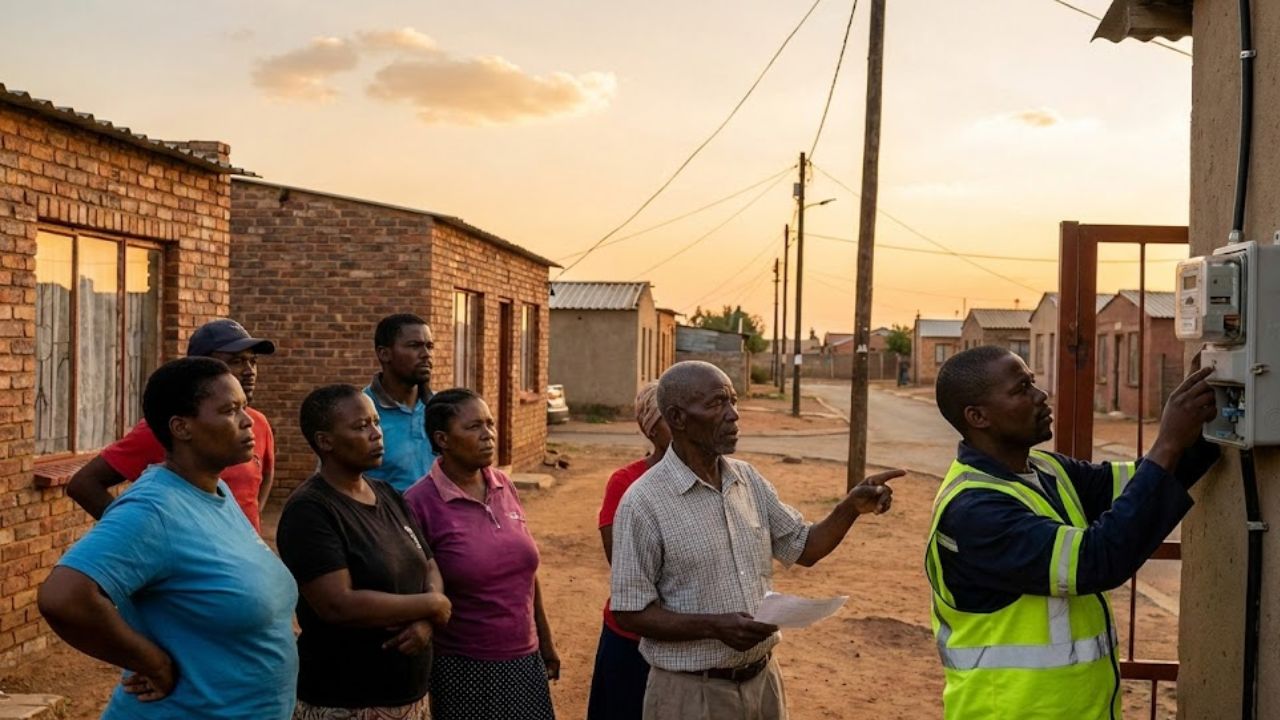
Why Electricity Authorities Are Closing Loopholes
Energy providers have struggled with revenue shortfalls as infrastructure ages and demand grows. Prepaid loopholes contributed to uneven cost sharing, prompting reforms focused on revenue stabilisation plans and network upgrade needs. Officials believe uniform charges will reduce losses and encourage responsible energy use. By aligning prepaid and postpaid systems, the sector hopes to improve long-term supply security while reducing reliance on emergency funding and bailouts.
 NSFAS Loan Forgiveness Starts 4 February: 67,000 Students Get Debt Relief and Next Steps to Follow
How Prepaid Users Can Prepare
Households using prepaid meters should review consumption habits and budget for the new structure. Monitoring daily usage can support better budget planning, while energy-efficient appliances help lower overall costs. Staying informed through municipal notices ensures timely account awareness. Consumers may also explore support options for low-income households, as assistance programmes are expected to expand alongside the rollout.
What This Means for South African Households
Although the changes may feel abrupt, they signal a broader reset in how electricity is funded nationwide. In the short term, some families will face higher baseline costs, but policymakers stress the importance of shared system responsibility. Over time, improved revenue could enable service reliability improvements and reduce outages. The success of the reform will depend on clear communication, fair implementation, and ongoing protection for vulnerable users.
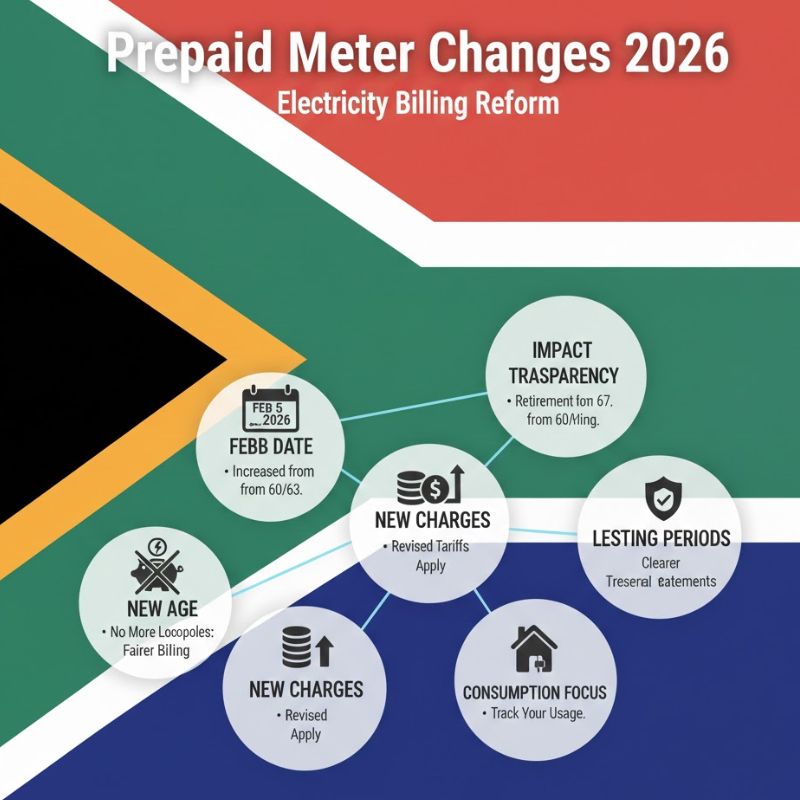
| Category | Before February 2026 | From 5 February 2026 |
|---|---|---|
| Billing Structure | Usage-only charges | Usage + fixed charges |
| Loophole Impact | Uneven cost sharing | Standardised contributions |
| Transparency | Limited breakdown | Clearer cost details |
| Revenue Stability | Inconsistent | More predictable |
Frequently Asked Questions (FAQs)
1. When do the new prepaid electricity charges start?
The updated billing charges take effect from 5 February 2026.

2. Will all prepaid meter users be affected?
Yes, the changes apply nationwide to all prepaid electricity customers.
3. Are there protections for low-income households?
Authorities have indicated support measures will remain in place for qualifying users.
4. Can prepaid users reduce the impact of higher charges?
Yes, lowering consumption and improving efficiency can help manage overall costs.